1. From a Sage’s Curse to a Divine Incarnation
A Sacred Journey Through 18 Scenes, Symbolising the Holy 18 Steps of Sabarimala.
The divine story of Lord Ayyappan unfolds through 18 meaningful scenes, beginning with Sage Durvasa’s curse and culminating in the sacred Pathinettam Padi of Sabarimala.
Each scene represents a symbolic step in a journey of destiny, faith, love, courage, righteousness, devotion, and spiritual awakening.
2. The Curse That Set Destiny in Motion
The Pride of Indra and the Wrath of Sage Durvasa.
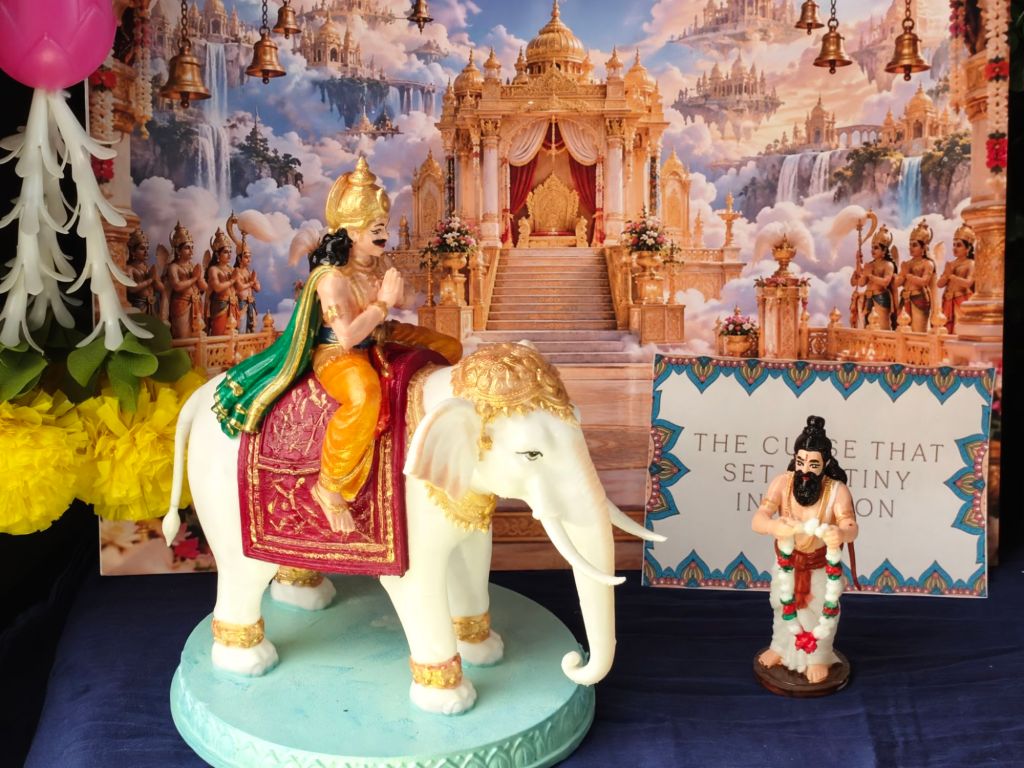
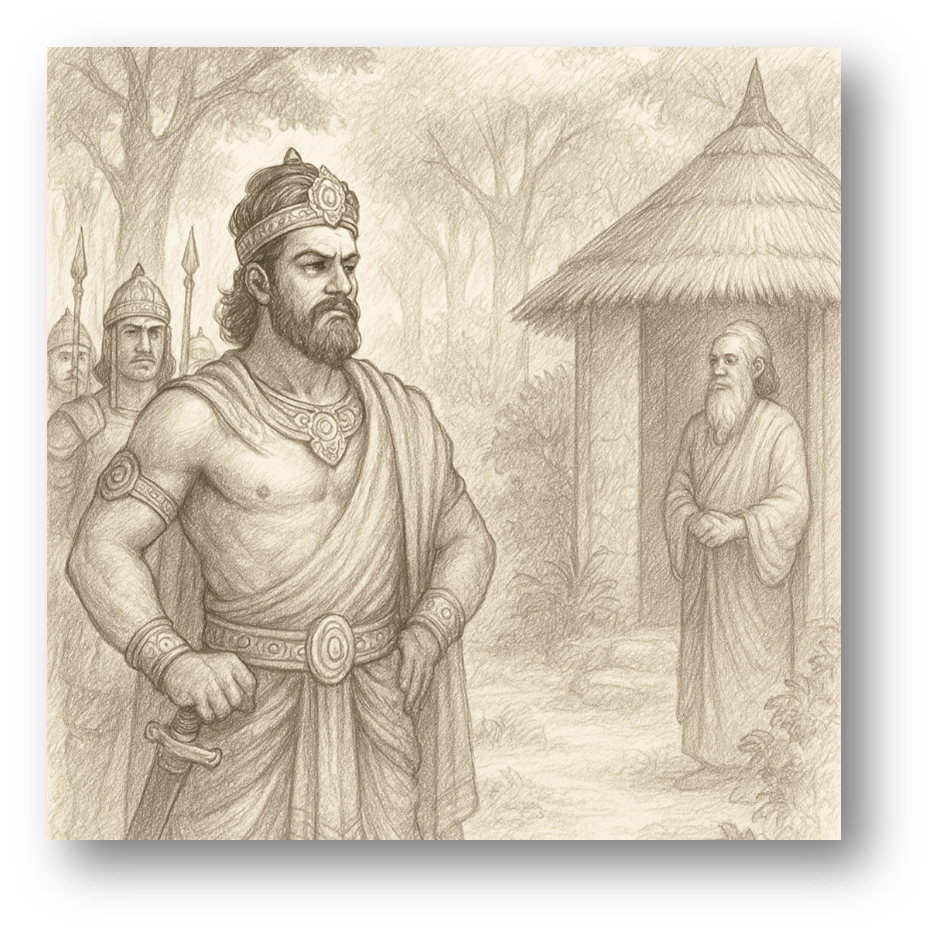
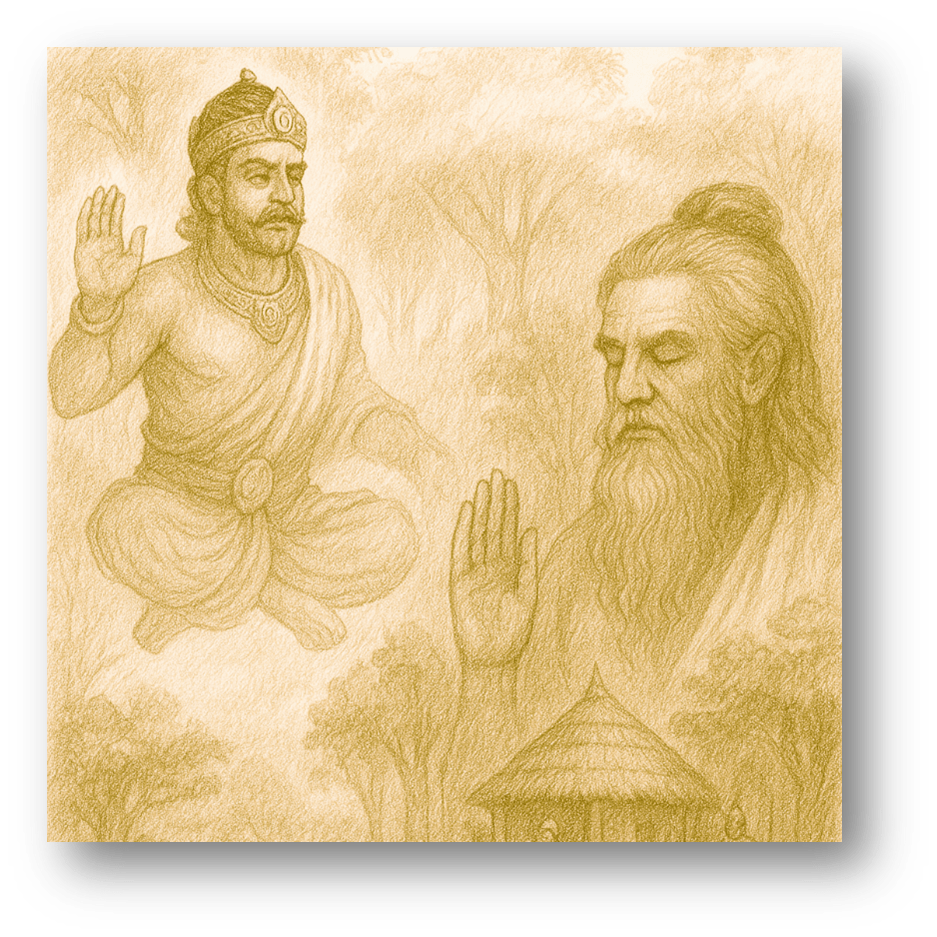
Once upon a time, Sage Durvasa visited Devaloka, the heavenly abode of the Devas, to meet Lord Indra, the King of the Devas. As he entered Devaloka, he saw Lord Indra majestically riding his elephant.
Sage Durvasa approached Indra and presented him with a beautiful divine garland as a blessing. However, instead of getting down from his elephant to receive the sacred garland with respect, Indra casually accepted it while remaining seated on the elephant.
Sage Durvasa, who was well known for his quick temper, felt insulted. Yet, he controlled his anger and remained silent. To his further disappointment, Indra placed the sacred garland on his elephant’s head instead of wearing it himself.
A few moments later, his elephant removed the garland with its trunk, tore it apart, and threw it onto the ground.
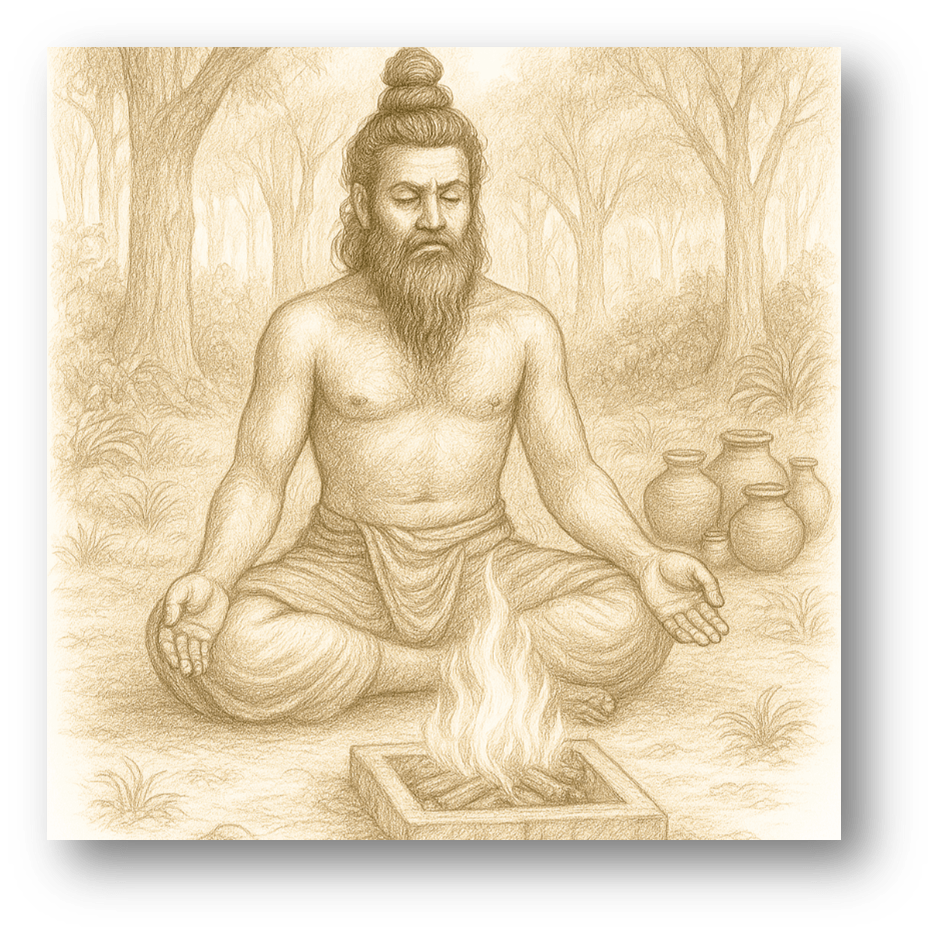
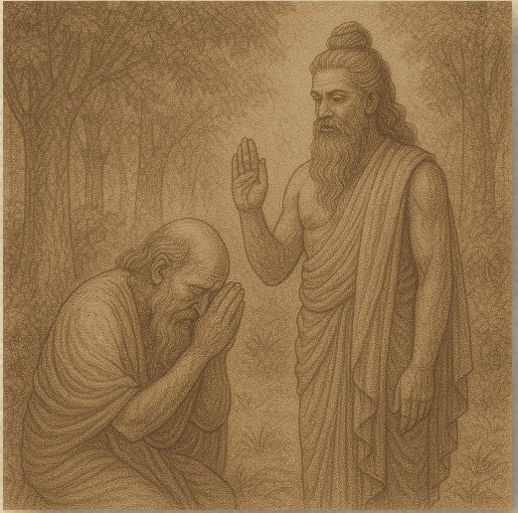
This was the final insult that Sage Durvasa could no longer tolerate! Furious at the disrespect shown towards the sacred garland, Sage Durvasa cursed Indra and all the Devas, declaring that they would lose their divine powers, strength, and prosperity.
Having said this, Sage Durvasa departed from Devaloka, leaving Indra and the Devas deeply worried about their fate.
3. Seeking Divine Guidance
Lord Indra Seeks Help from the Divine
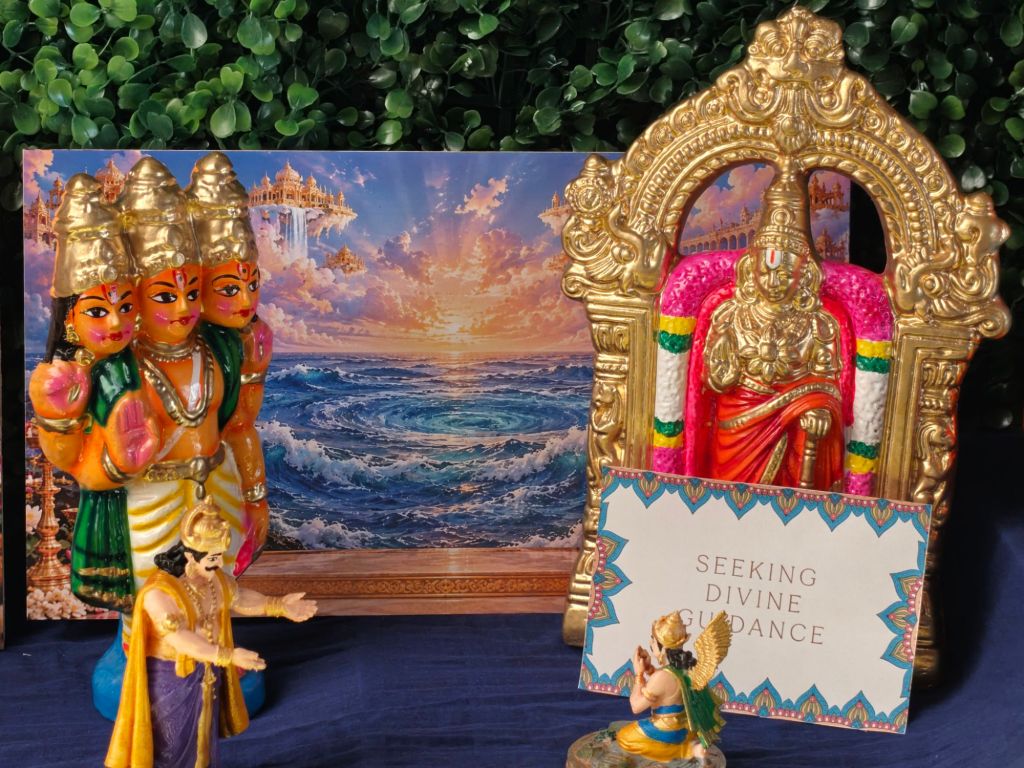
After Sage Durvasa’s curse, Lord Indra and the Devas began losing their divine powers and strength.
As the Asuras grew stronger, Devaloka was in danger. Worried and helpless, Indra approached Lord Brahma, pleading for a way to regain their lost powers.
Lord Brahma then guided the Devas to Lord Vishnu. Lord Vishnu explained that the only way to regain their strength was by obtaining Amrit, the divine nectar of immortality, from the Ocean of Milk. He instructed the Devas to join hands with their rivals, the Asuras, to churn the ocean using Mount Mandara as the churning rod and the serpent Vasuki as the rope.
Though surprised at the thought of seeking help from their enemies, Indra and the Devas accepted Lord Vishnu’s guidance. With renewed hope and divine blessings, they set out on their extraordinary mission.
And thus began the journey towards Samudra Manthan, the great Churning of the Ocean of Milk!
4. Samudra Manthan – The Churning of the Ocean
The Divine Quest for Amrit
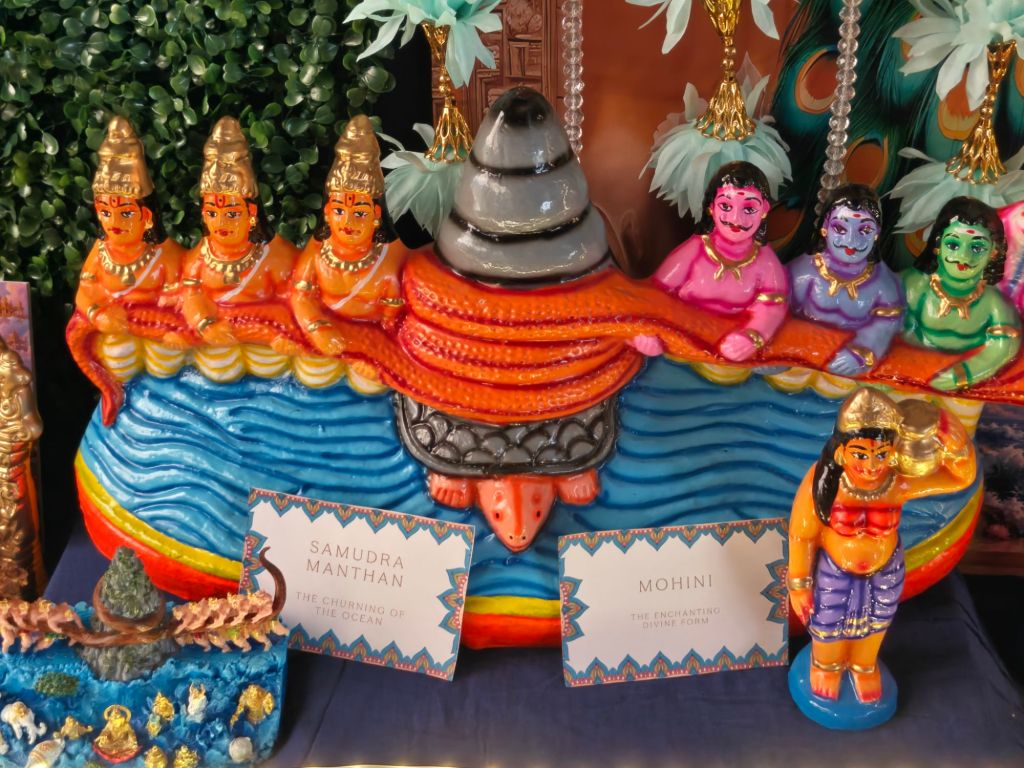
Following Lord Vishnu’s advice, the Devas and Asuras joined hands to churn the Ocean of Milk to obtain Amrit, the nectar of immortality. They used Mount Mandara as the churning rod and the serpent Vasuki as the rope.
When the mountain began to sink, Lord Vishnu took the form of Kurma, a giant tortoise, and supported it on his back. During the churning, the deadly aalahala poison emerged, threatening to destroy the universe. Lord Shiva swallowed the poison to save creation, holding it in his throat and earning the name Neelakantha.
As the churning continued, many divine treasures appeared. Finally, Lord Dhanvantari emerged carrying the precious pot of Amrit. However, the Asuras quickly seized the nectar, leading to a dispute with the Devas. Unable to overpower the Asuras, the Devas once again sought Lord Vishnu’s help.
Lord Vishnu realised that restoring balance to the universe would require a different form of divine intervention.
5. Mohini – The Enchanting Divine Form
Lord Vishnu Restores Balance to the Universe
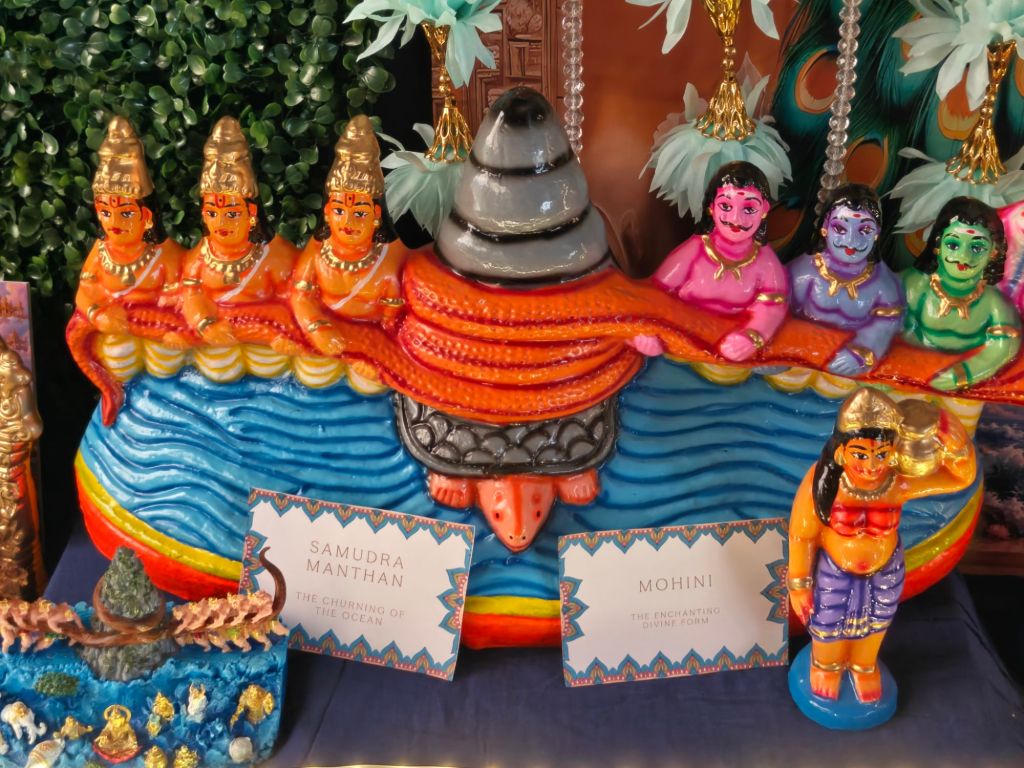
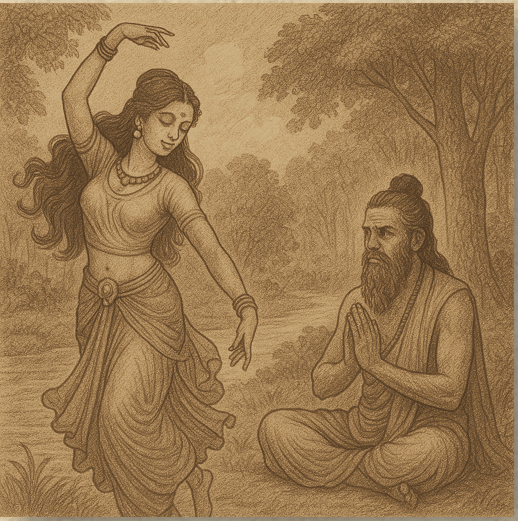
To resolve the dispute over Amrit, Lord Vishnu transformed into Mohini, an extraordinarily beautiful and enchanting maiden. Mesmerised by her beauty and grace, the Asuras trusted her to distribute the divine nectar. Mohini persuaded the Devas and Asuras to sit separately and assured them that she would distribute the Amrit.
Using her divine charm and wisdom, Mohini cleverly served the nectar to the Devas. As the Devas drank the sacred Amrit, their lost powers and strength were restored. The Asuras soon realised that they had been outwitted, but the divine purpose had already been accomplished.
Thus, through Lord Vishnu’s divine intervention, the Devas regained their glory, and balance was restored to the universe. However, Mohini’s divine appearance was destined to play an even greater role in the events that followed.
6. The Divine Birth of Lord Ayyappan
The Sacred Union of Hari and Hara
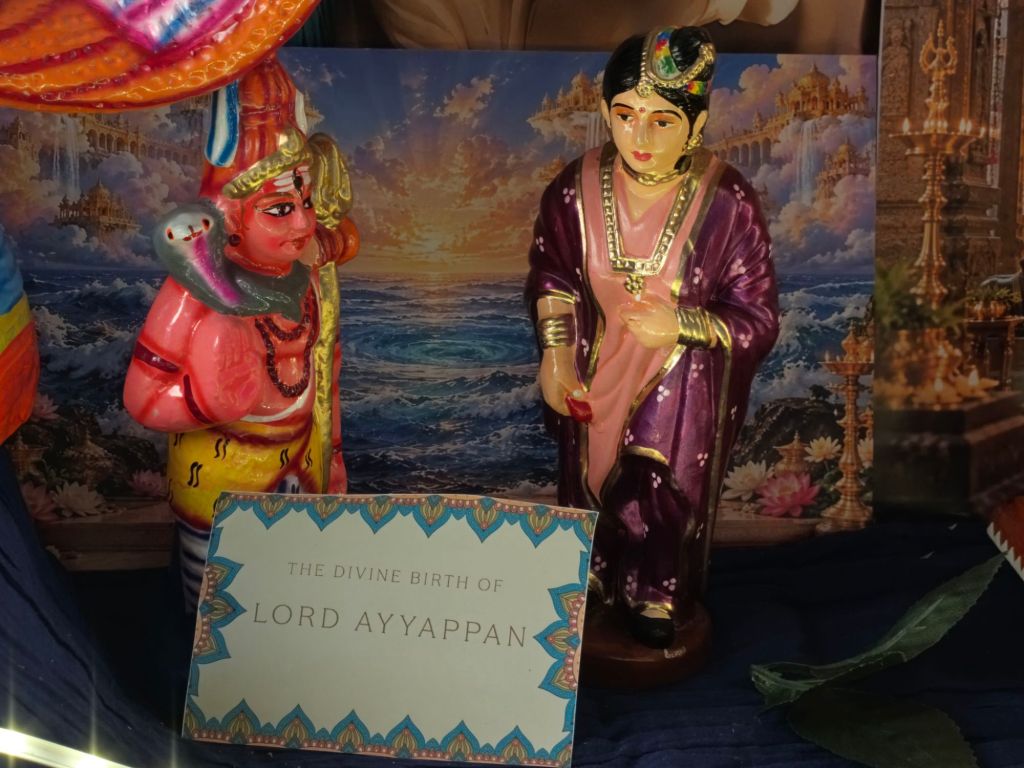
After the great Samudra Manthan, Lord Shiva heard about Lord Vishnu’s enchanting Mohini avatar and wished to witness this divine form. Upon Shiva’s request, Lord Vishnu transformed into the beautiful Mohini.
Captivated by her extraordinary beauty, Lord Shiva was drawn towards her. Through this divine union of Hari, Lord Vishnu, and Hara, Lord Shiva, a divine child was born. The child was destined to fulfil an extraordinary mission on Earth. As the son of Hari and Hara, Lord Ayyappan came to be known as Hariharaputra.
Thus was born Lord Ayyappan, whose arrival on Earth was destined to restore righteousness and peace.
7. The King of Pandalam and His Unfulfilled Wish
A Royal Couple’s Longing for a Child
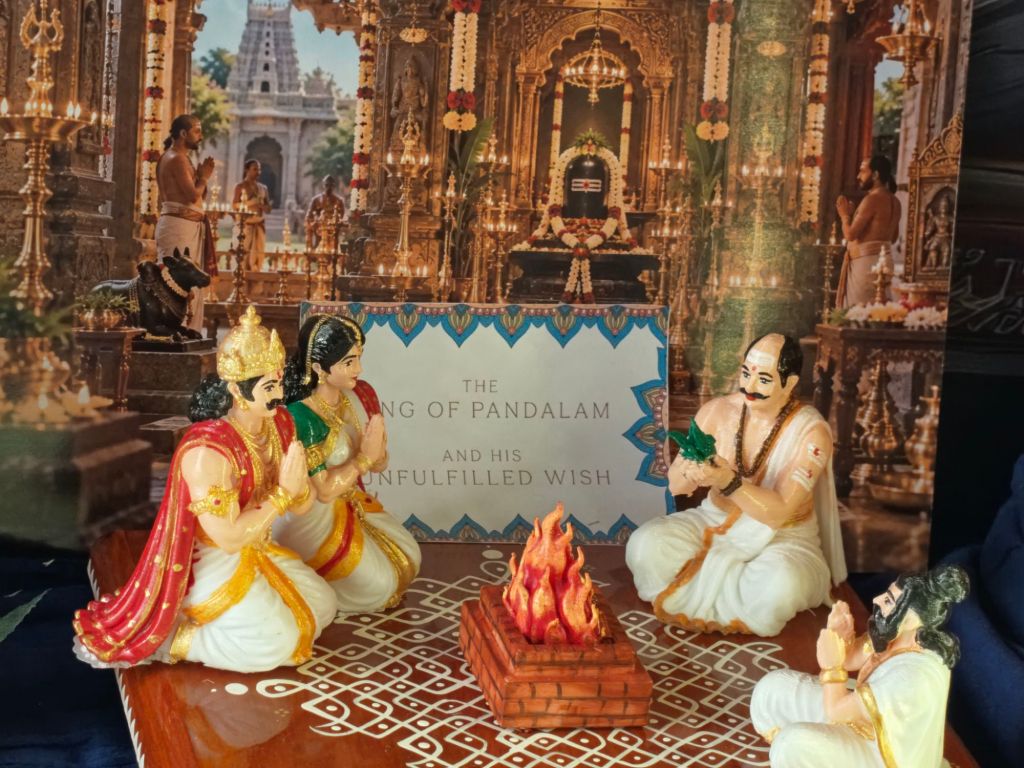
In the prosperous kingdom of Pandalam lived a noble and righteous ruler, King Rajasekhara, who was deeply loved and respected by his people. The King ruled his kingdom with wisdom, kindness, and justice. His people lived happily under his reign, and the kingdom flourished with peace and prosperity.
Despite having everything a King could wish for, Rajasekhara and his Queen carried a deep sorrow in their hearts. They had no children.
For many years, the royal couple prayed sincerely to the Divine, longing for a child who would bring happiness and completeness to their family. As time passed, their yearning only grew stronger. Though surrounded by royal splendour, the King often felt the emptiness of not having a child to love, nurture, and eventually guide towards the throne.
Yet, he never lost faith in the Divine. Little did the King and Queen know that their prayers had already been heard and that destiny was preparing to bless them with a child unlike any other.
8. The King’s Journey into the Forest
A Hunting Expedition Guided by Divine Destiny
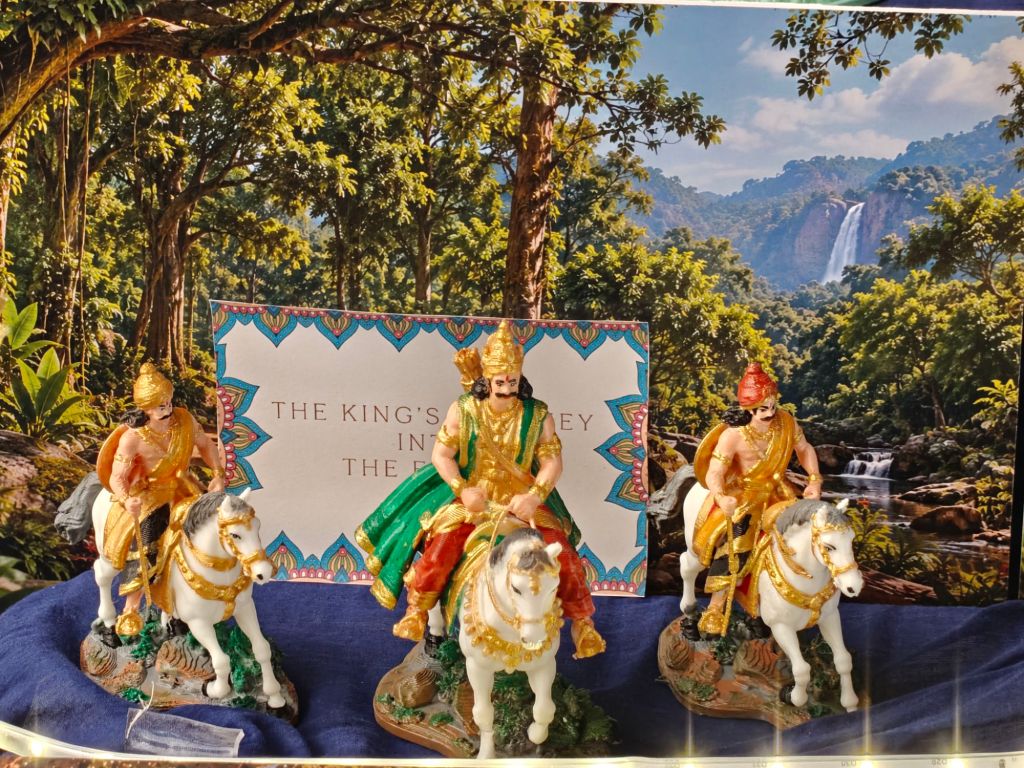
One day, King Rajasekhara decided to embark on a hunting expedition into the dense forests surrounding the sacred Pampa River. Accompanied by his soldiers and attendants, the King set out from the palace, unaware that this seemingly ordinary journey would change his life forever.
As they travelled deeper into the forest, the surroundings grew increasingly dense, with towering trees, winding paths, and the distant sounds of wild animals. While pursuing the hunt, the King gradually became separated from his companions and wandered further into the wilderness.
Alone in the peaceful yet mysterious forest, he continued along the banks of the sacred Pampa River. Unknown to him, divine forces were guiding his footsteps towards an extraordinary encounter. For somewhere within that very forest, a divine child awaited the loving arms of a father.
What began as a simple hunting expedition was about to become the most significant moment in King Rajasekhara’s life.
9. The Divine Child Finds His Home
Lord Ayyappan and the King of Pandalam
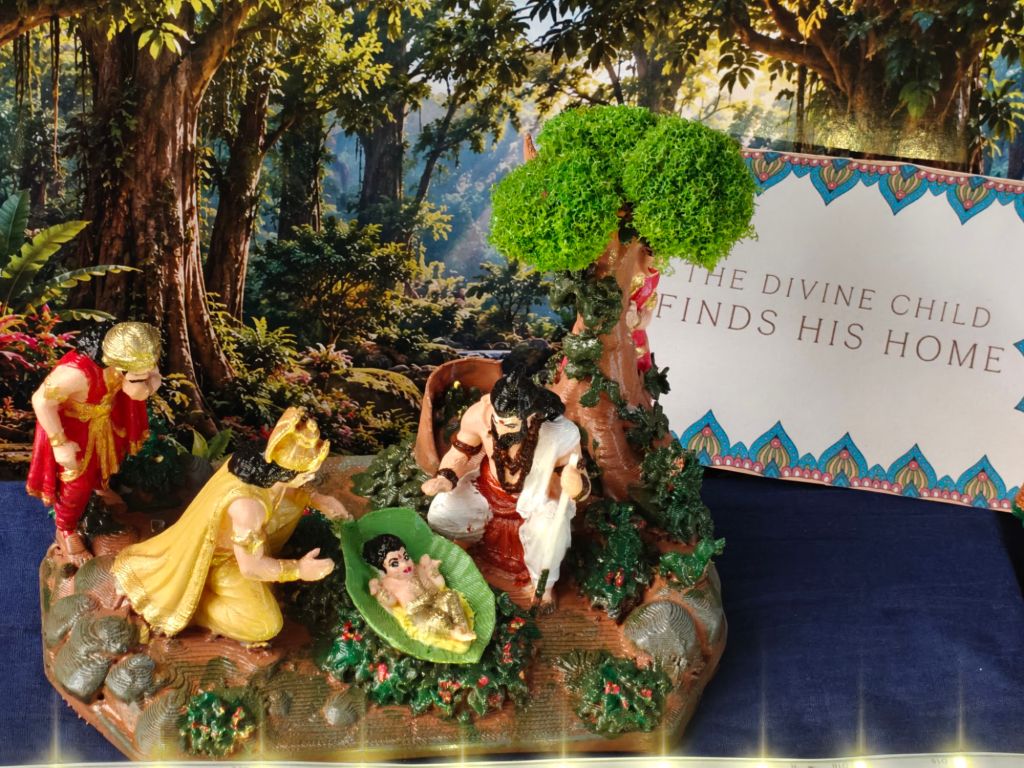
To fulfil his divine purpose, baby Ayyappan was placed on the banks of the Pampa River, deep within the forest. Lord Shiva took the form of a sage, while Lord Vishnu, in his Mohini form, watched over the child from behind a tree.
Though Vishnu had taken a female form, Mohini’s motherly love and affection for the baby shone through. Unable to leave the child completely, she waited anxiously to see who would take him home. Meanwhile, King Rajasekhara, who had wandered into the forest during his hunting expedition, heard a baby’s cry.
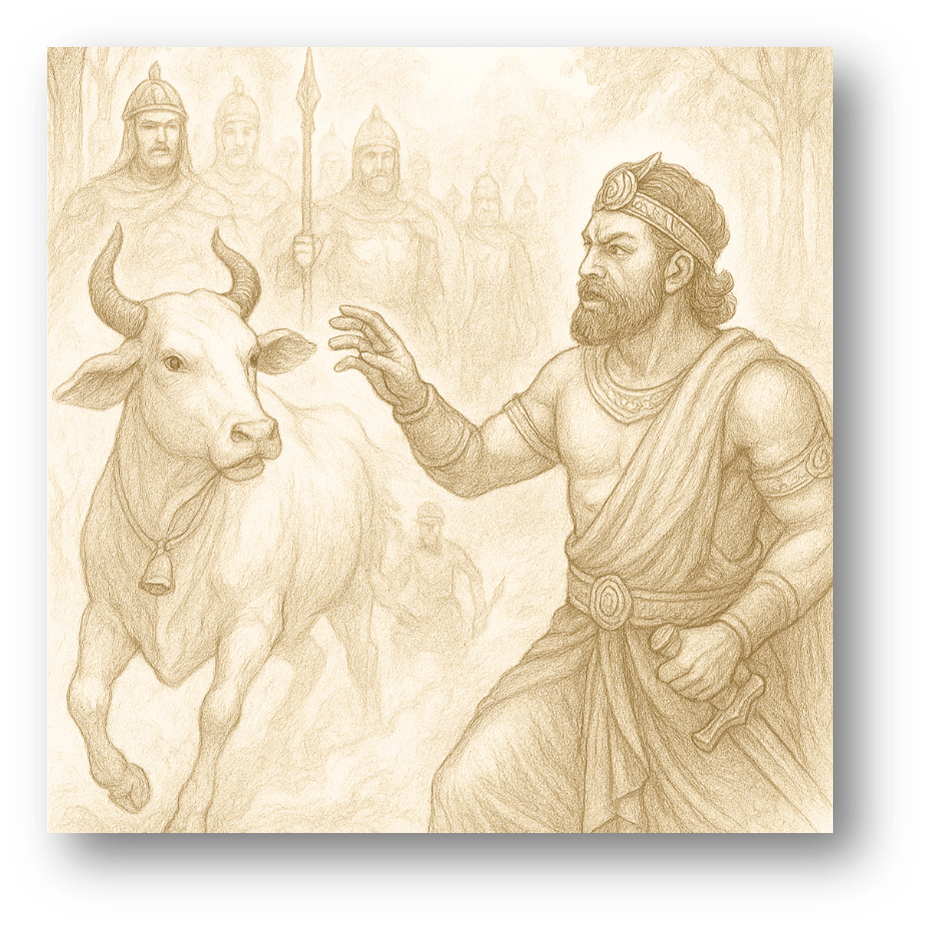
Following the sound, the King discovered a beautiful divine child lying alone, with a golden bell around his neck. Amazed by the child’s divine appearance, the King lovingly lifted him into his arms.
At that moment, the sage appeared before the King and advised him to take the child to his palace and raise him as his own son. Overjoyed, the King considered the child a blessing from the Divine.
Watching from behind the tree, Mohini felt reassured that her beloved child had found a loving home. King Rajasekhara returned to Pandalam with the baby, where the Queen welcomed him with immense love and affection.
Because of the golden bell around his neck, the child came to be known as Manikandan. Thus, Lord Ayyappan entered the royal family of Pandalam and became their beloved prince.
10. The Childhood and Gurukulam Days of Lord Ayyappan
The Divine Prince of Pandalam
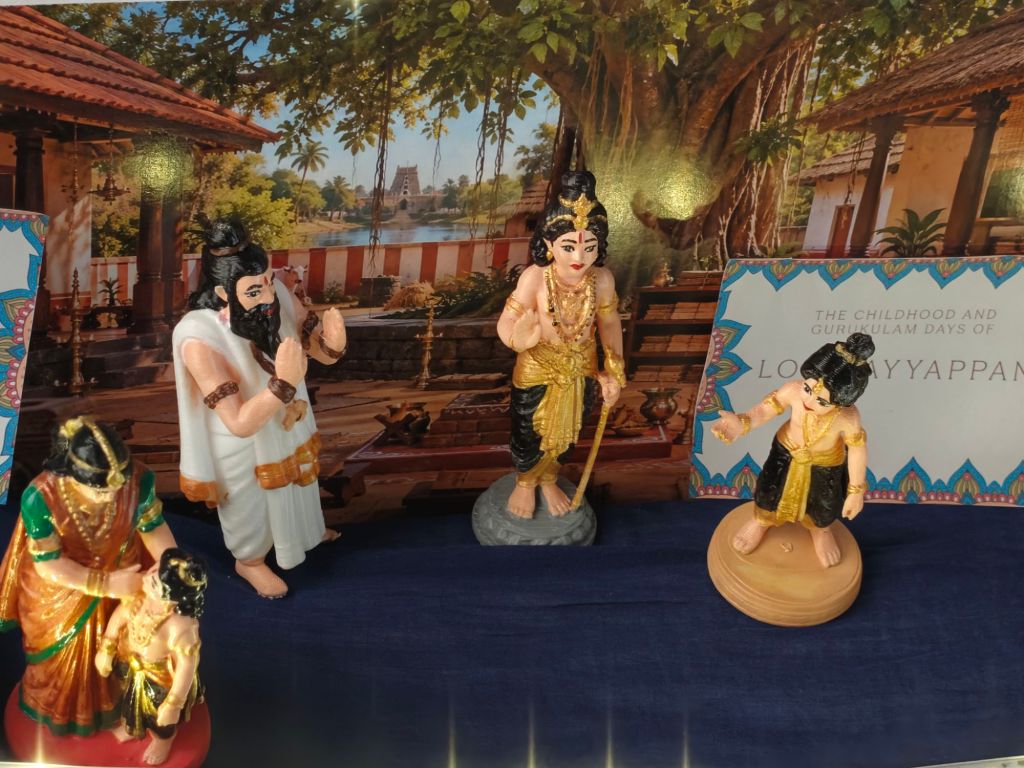
King Rajasekhara and the Queen raised Manikandan with immense love and affection. As he grew, the young prince displayed extraordinary intelligence, courage, kindness, and divine wisdom, winning the hearts of everyone in Pandalam. He treated everyone with compassion and respect, regardless of their position or status.
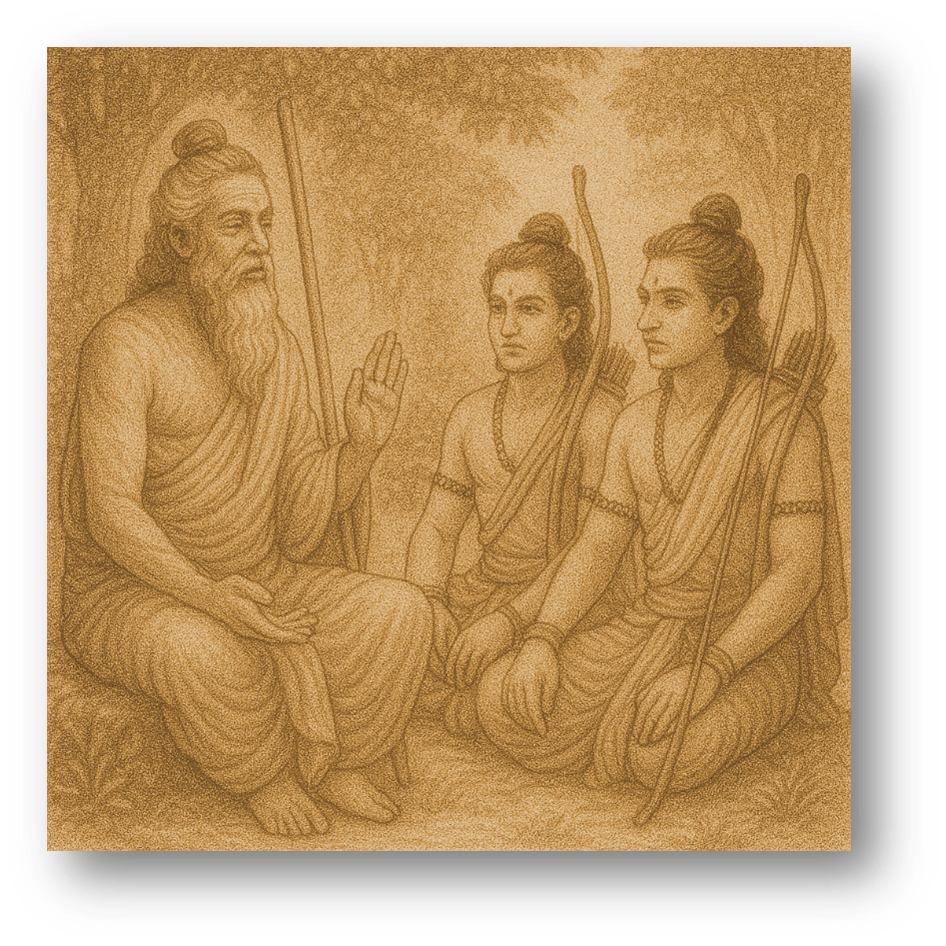
At the appropriate age, Manikandan was sent to a Gurukulam, where he learned the Vedas, sacred scriptures, martial arts, archery, and the art of warfare. He excelled in every subject and mastered his lessons with remarkable ease, leaving his Guru amazed. Despite his extraordinary abilities, Manikandan remained humble and devoted to his teacher.
One of the most touching moments came when Manikandan completed his education. As Guru Dakshina, his teacher requested him to bless his son, who was unable to see or speak. Through his divine grace, Manikandan restored the boy’s sight and speech, revealing his extraordinary powers.
His Guru realised that Manikandan was no ordinary prince but a divine incarnation. With his Guru’s blessings, Manikandan returned to the royal palace. His wisdom, courage, and compassion continued to earn him the admiration of the people of Pandalam.
However, not everyone in the palace was pleased with his growing popularity. The royal minister had begun to fear that Manikandan would one day become the next King.
11. The Birth of a Royal Heir
Happiness in the Palace and Jealousy in the Shadows
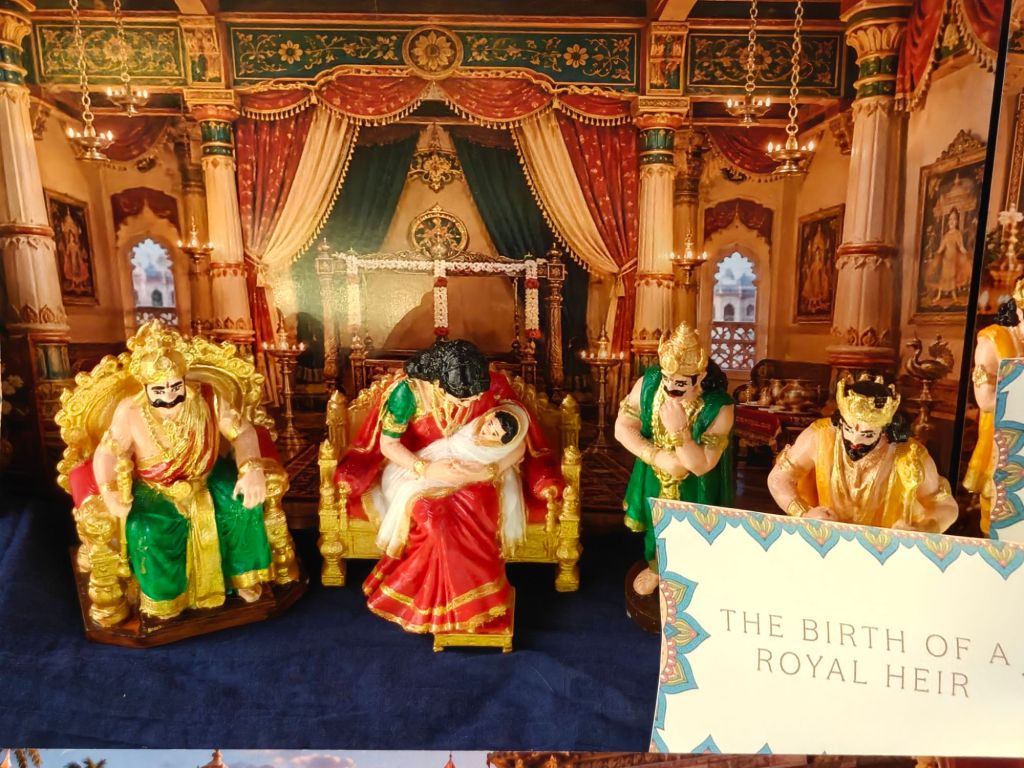
As the years passed, the Queen of Pandalam was blessed with a son of her own. The entire kingdom celebrated the arrival of the newborn prince. Manikandan lovingly welcomed his younger brother, and the royal family was filled with happiness.
King Rajasekhara was delighted to see both his sons growing up together. As Manikandan matured, his wisdom, courage, and noble qualities became increasingly evident. Impressed by his abilities, King Rajasekhara decided to crown Manikandan as the next King of Pandalam.
The people rejoiced at the announcement, for they deeply admired their beloved prince. However, the royal minister, who had always been jealous of Manikandan, feared losing his power and influence. He was determined to prevent Manikandan from ascending the throne.
The birth of the Queen’s own son gave the minister an opportunity to carry out his wicked intentions. While the royal family celebrated, the minister secretly began plotting against Manikandan.
12. The Minister’s Evil Influence
The Seeds of Jealousy in the Palace
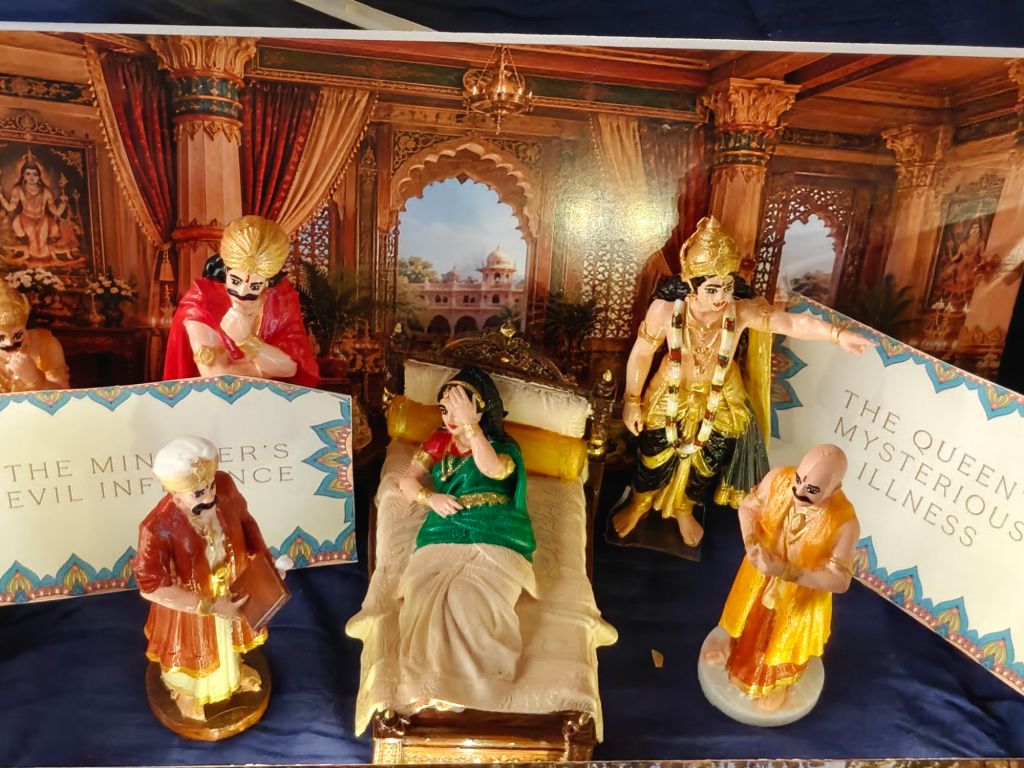
Determined to prevent Manikandan from becoming King, the royal minister approached the Queen. He reminded her that she now had a son of her own who could inherit the throne of Pandalam. Slowly, he began poisoning her mind with jealousy and doubt.
He convinced her that if Manikandan became King, her own son would never inherit the throne. At first, the Queen resisted his words, for she had raised Manikandan with immense love. However, the minister repeatedly manipulated her emotions, making her fear for her younger son’s future.
Gradually, the Queen became troubled and uncertain. Taking advantage of her fears, the minister secretly devised a wicked plan to prevent Manikandan from becoming King. He persuaded the Queen to pretend to be seriously ill and assured her that he would arrange for a remedy that would be nearly impossible to obtain.
Believing that she was securing her son’s future, the Queen reluctantly agreed. Little did they realise that their evil intentions would only bring Manikandan closer to fulfilling his divine destiny.
13. The Queen’s Mysterious Illness
The Minister’s Wicked Plan Unfolds
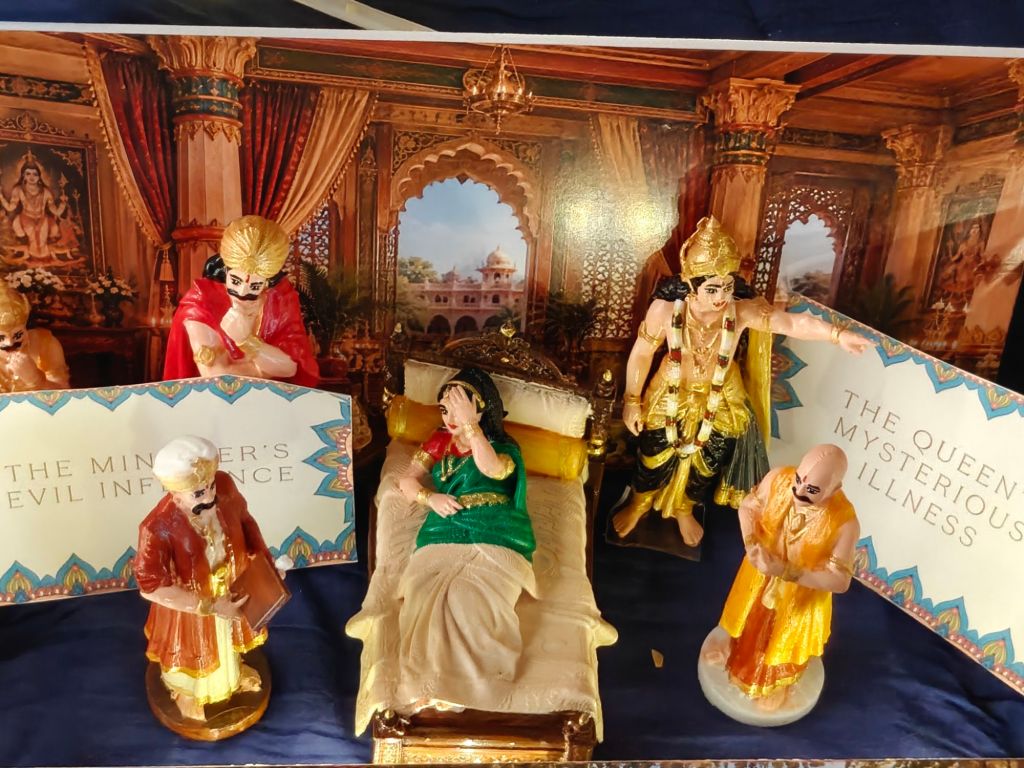
Following the minister’s evil advice, the Queen of Pandalam pretended to suffer from a severe and unbearable headache. Her cries of pain filled the royal palace, leaving King Rajasekhara deeply worried. The King immediately summoned the royal physicians and pleaded with them to find a cure.
However, a physician secretly influenced by the minister declared that ordinary medicines would not cure the Queen. He announced that only the milk of a tigress could save her. The King was shocked and helpless, as obtaining tigress’s milk from the dangerous forest seemed nearly impossible.
Seeing his father’s distress and his mother’s apparent suffering, the brave and compassionate Manikandan stepped forward. He volunteered to enter the forest and bring back the tigress’s milk. Despite the King’s desperate attempts to stop him, Manikandan remained determined to save his mother.
The minister secretly rejoiced, believing that the young prince would never return alive from the forest. But what appeared to be a dangerous mission was actually the beginning of Manikandan’s divine purpose.
14. Manikandan’s Journey into the Forest
A Prince Walks Towards His Divine Destiny
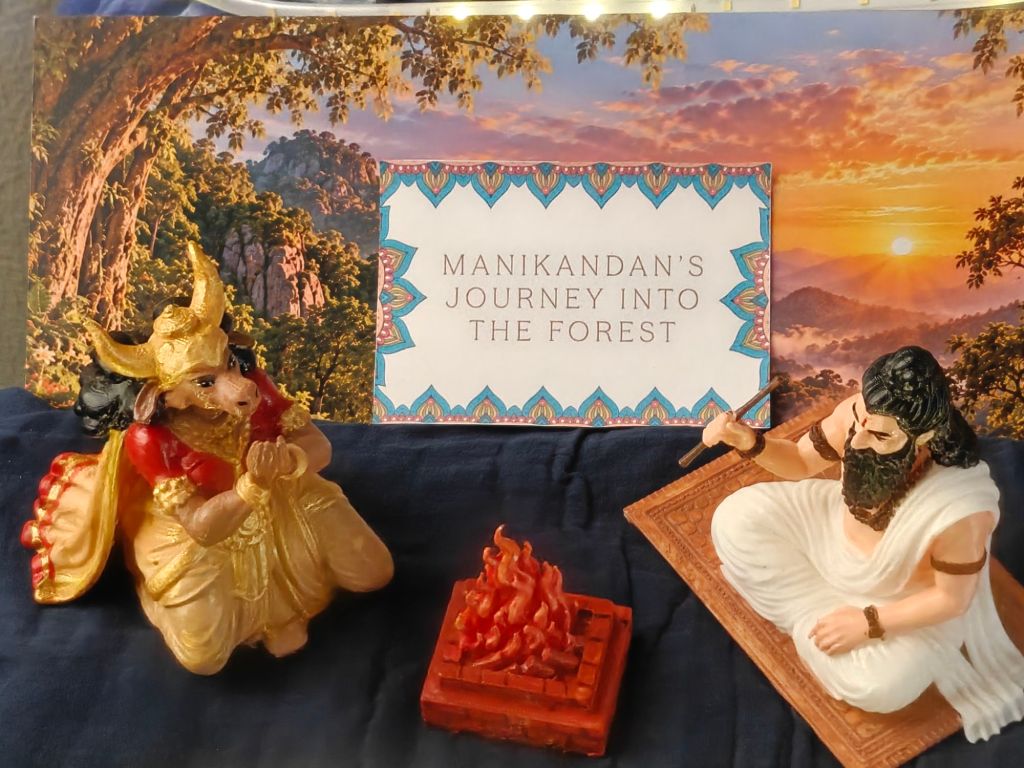
With his father’s blessings, Manikandan left the royal palace and began his journey into the dense forest in search of tigress’s milk. Armed with his bow and arrows, the young prince walked fearlessly through the wilderness.
The forest was filled with towering trees, rocky paths, wild animals, and mysterious sounds. Yet Manikandan remained calm and courageous, guided by his divine strength and unwavering determination. As he ventured deeper into the forest, his journey took him towards the very purpose for which he had taken birth.
The powerful demoness Mahishi had been terrorising the three worlds, causing suffering among sages, celestial beings, and innocent people. Blessed with a boon that she could only be defeated by the son of Lord Shiva and Lord Vishnu, Mahishi believed herself to be invincible.
The Devas had long awaited the arrival of the divine child who could end her tyranny. Now, that moment had finally arrived. As Manikandan continued through the forest, destiny brought him face to face with the mighty Mahishi. What began as a mission to obtain tigress’s milk was about to become a divine battle between good and evil.
15. Mahishi Vadham – The Triumph of Good Over Evil
Lord Ayyappan Fulfils His Divine Destiny
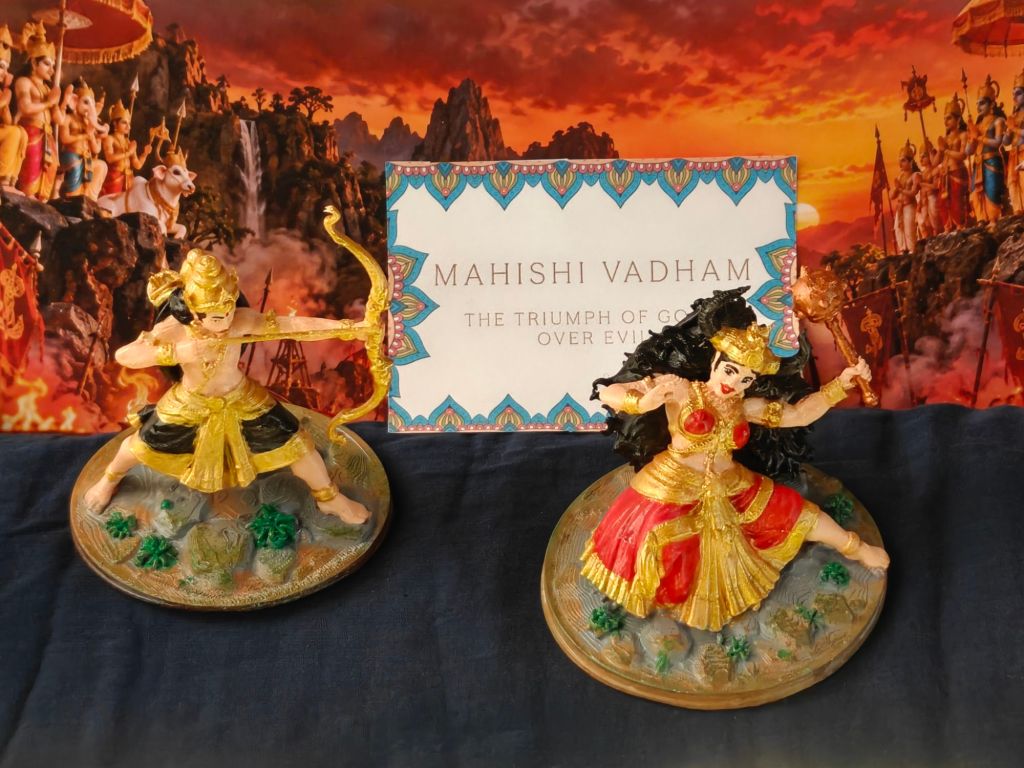
Deep within the forest, Manikandan encountered the powerful demoness Mahishi. Mahishi, who had been terrorising the three worlds, was astonished to see a young prince standing fearlessly before her. Confident in the protection of her boon, she challenged him to battle.
A fierce confrontation began between Manikandan and Mahishi. With tremendous strength and fury, Mahishi attacked the young prince. But Manikandan, the divine son of Hari and Hara, fought with extraordinary courage, skill, and divine power.
The battle shook the forest as the forces of righteousness confronted the power of evil. Despite her enormous strength, Mahishi could not overcome Manikandan. Finally, Lord Ayyappan defeated the mighty demoness, bringing an end to her tyranny.
With Mahishi’s defeat, her curse was lifted, and she was freed from her demonic form. The Devas rejoiced, and peace and righteousness were restored to the three worlds. Thus, Lord Ayyappan fulfilled the divine purpose of his birth, proving that righteousness would always triumph over evil.
16. Malikappurathamma – A Divine Promise
Mahishi’s Wish to Marry Lord Ayyappan
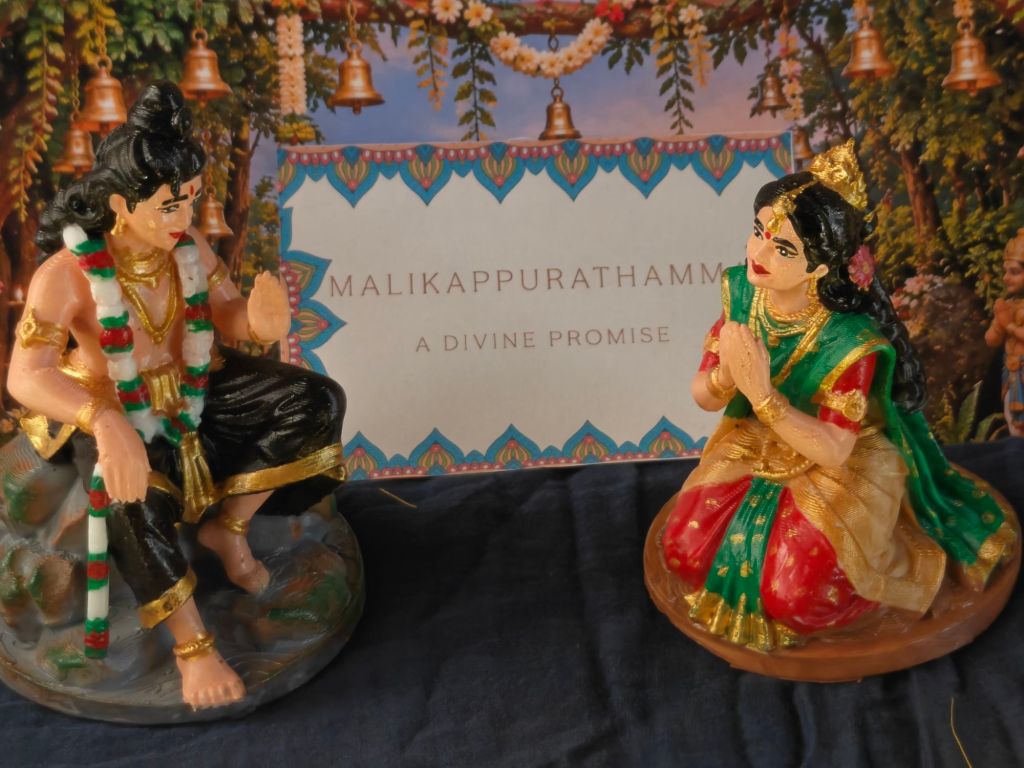
After being defeated by Lord Ayyappan, Mahishi was freed from her curse and transformed into a beautiful maiden. Overwhelmed with gratitude and devotion, she stood before Lord Ayyappan and expressed her desire to marry him.
However, Ayyappan had chosen the sacred path of eternal celibacy, remaining a Naishtika Brahmachari. With kindness and compassion, he gently declined her request. Moved by her devotion, Lord Ayyappan made her a divine promise. He declared that he would marry her on the day when no first-time devotee, known as a Kanni Swami, visited his shrine at Sabarimala.
Accepting his divine promise, the maiden agreed to wait patiently. She came to be worshipped as Malikappurathamma, whose shrine stands near Lord Ayyappan’s sacred abode. Her story became a symbol of eternal devotion, patience, and unwavering faith.
Thus began the sacred tradition of Malikappurathamma, whose devotion remains closely associated with the worship of Lord Ayyappan.
17. The Divine Return of Lord Ayyappan
Manikandan Returns to Pandalam with the Tigress
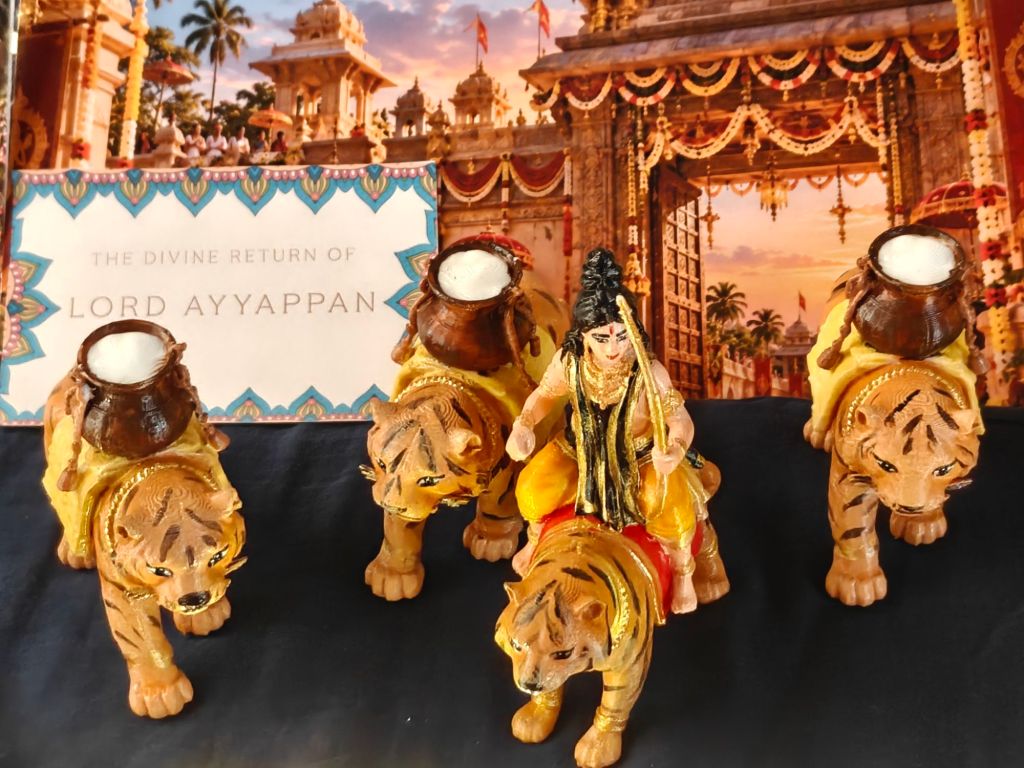
After defeating Mahishi and fulfilling his divine mission, Manikandan prepared to return to the palace with the tigress’s milk. To everyone’s amazement, he returned riding a majestic tigress, accompanied by a group of tigers and tigresses, believed to be celestial beings who had taken these forms.
As the extraordinary procession approached Pandalam, the people gathered in wonder and astonishment. King Rajasekhara was overwhelmed with joy at the sight of his beloved son returning safely. The Queen and the minister, who had plotted against Manikandan, were filled with fear and remorse. Realising their terrible mistake, they fell at his feet and begged for forgiveness.
Manikandan, with his divine compassion, forgave them. He then revealed his true identity as Lord Ayyappan, the divine son of Hari and Hara. King Rajasekhara and the Queen were overwhelmed with devotion, realising that the child they had lovingly raised was none other than Hariharaputra himself.
What began as a dangerous search for tigress’s milk ended in the glorious revelation of Lord Ayyappan’s divinity.
18. Lord Ayyappan’s Journey to Sabarimala
The Sacred Beginning of the Irumudi Tradition
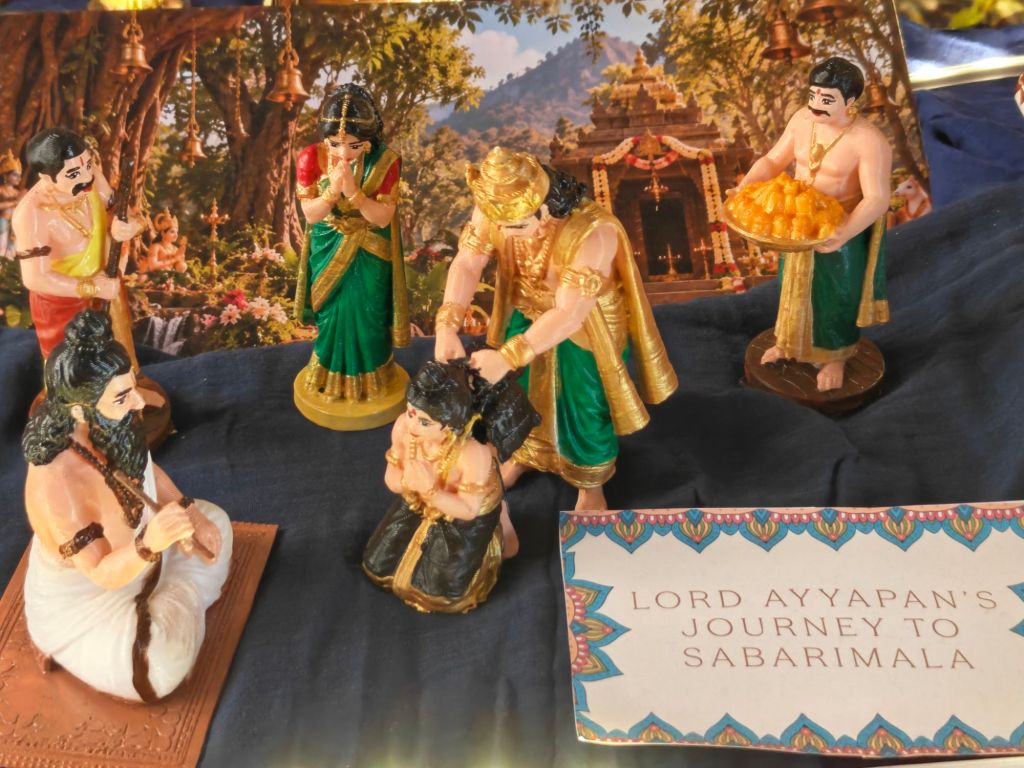
After revealing his divine identity, Lord Ayyappan informed King Rajasekhara that his mission on Earth was complete and that it was time for him to leave the palace. Heartbroken, the King pleaded with Ayyappan to stay. However, Ayyappan lovingly explained that he must now proceed to the sacred hills of Sabarimala, where he would become a source of divine blessings for countless devotees.
Before his departure, King Rajasekhara lovingly prepared an Irumudi, a sacred bundle containing offerings and provisions for Ayyappan’s journey. With the tenderness of a father and the devotion of a worshipper, the King placed the Irumudi upon Ayyappan. This beautiful act of a father’s love and devotion is remembered in the tradition associated with the sacred Irumudi carried by Sabarimala pilgrims.
Lord Ayyappan then instructed the King to build a temple for him on the sacred hill of Sabarimala, where devotees could seek his blessings. He guided the King towards the sacred place where his divine presence would be established.
Blessing his beloved parents and the people of Pandalam, Ayyappan began his journey towards his eternal abode. With tears in their eyes and devotion in their hearts, the royal family watched their beloved Manikandan depart.
Thus began the sacred journey to Sabarimala, a tradition of faith, devotion, discipline, and surrender that continues with the chant:
“Swamiye Saranam Ayyappa!”
19. The Sacred Temple of Sabarimala
The Divine Abode and the Holy 18 Steps
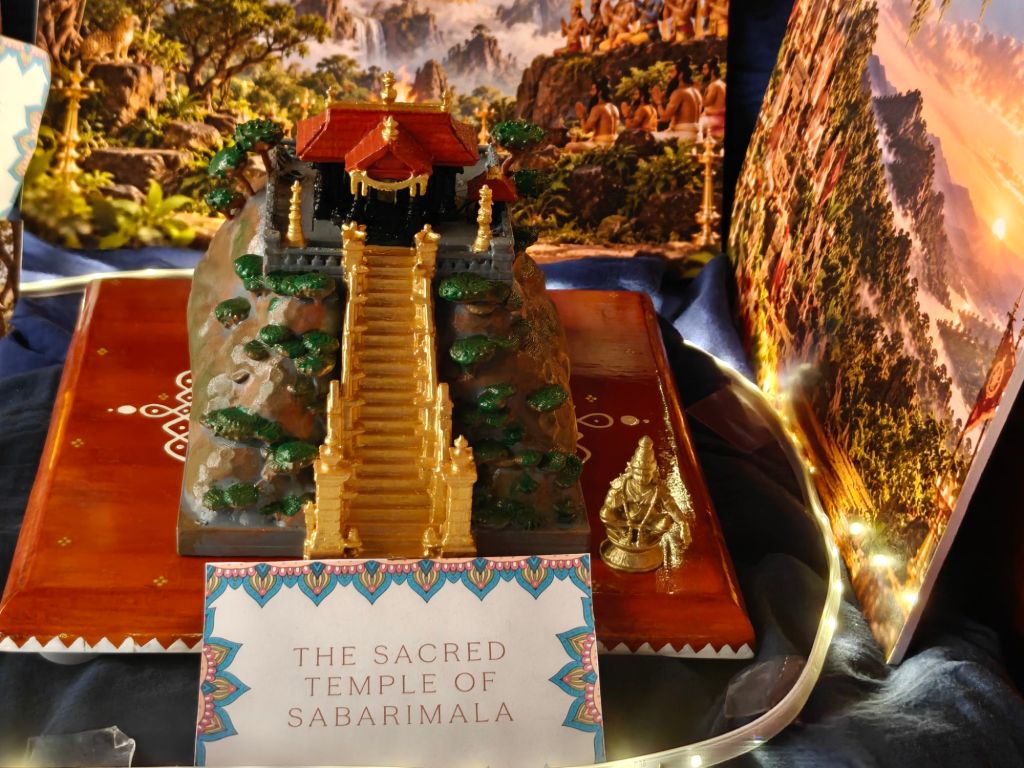
Following Lord Ayyappan’s instructions, King Rajasekhara arranged for a temple to be built on the sacred hill of Sabarimala, where Lord Ayyappan would be worshipped as Dharma Sastha. The temple was blessed with the sacred 18 steps, known as Pathinettam Padi, leading to the divine sanctum of Lord Ayyappan.
The 18 steps symbolize the spiritual journey of a devotee from human limitations and worldly attachments to ultimate liberation (Moksha):
- Steps 1 to 5 (Panchendriyas): Represent the five human senses – sight, hearing, smell, taste, and touch.
- Steps 6 to 13 (Ashtaragas / Vices): Represent the eight negative human emotions and vices, such as desire (Kama), anger (Krodha), greed (Lobha), delusion (Moha), pride (Madha), jealousy (Matsarya), malice (Asooya), and boastfulness (Dhumb).
- Steps 14 to 16 (Thrigunas): Represent the three qualities of nature (Gunas)—Satva (purity/discernment), Rajas (passion/activity), and Tamas (darkness/inertia).
- Steps 17 and 18: Represent Vidya (spiritual knowledge) and Avidya (ignorance).
The sacred steps symbolise the spiritual journey of a devotee, rising above worldly attachments, negative qualities, and ignorance to attain purity, wisdom, and complete surrender. Alternative traditional interpretations state that the 18 steps represent the 18 Puranas, the 18 sacred hills surrounding Sabarimala, or the 18 weapons Lord Ayyappa possessed.
Devotees undertake a sacred pilgrimage, observing 41 days of vratham, a period of austerity, discipline, prayer, and self-control. Carrying the holy Irumudi on their heads, they approach the sacred Pathinettam Padi with faith and devotion. Only devotees carrying the Irumudi are traditionally permitted to climb the sacred 18 steps.
As devotees ascend the steps, the sacred hills resonate with the powerful chant:
“Swamiye Saranam Ayyappa!”
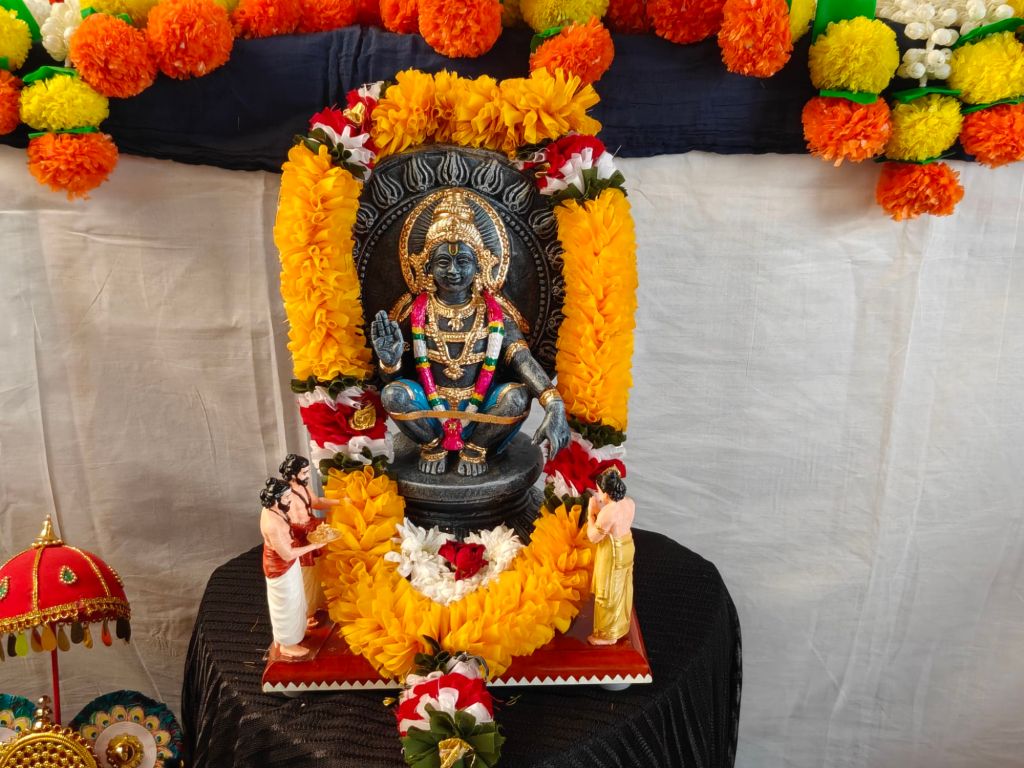
At the summit awaits Lord Ayyappan, seated in his divine abode, blessing all who approach him with sincerity, humility, and devotion. Thus, Sabarimala became a sacred symbol of devotion, discipline, equality, and spiritual awakening.
The extraordinary journey that began with Sage Durvasa’s curse reaches its divine fulfilment at the sacred 18 steps of Sabarimala. From Indra’s pride to the restoration of righteousness, from the birth of Hariharaputra to the defeat of Mahishi, from a father’s love to the devotion of countless pilgrims, every event becomes a step towards spiritual awakening.
And as devotees stand before Lord Ayyappan after ascending the sacred Pathinettam Padi, the eternal chant echoes through the hills:
“Swamiye Saranam Ayyappa!”